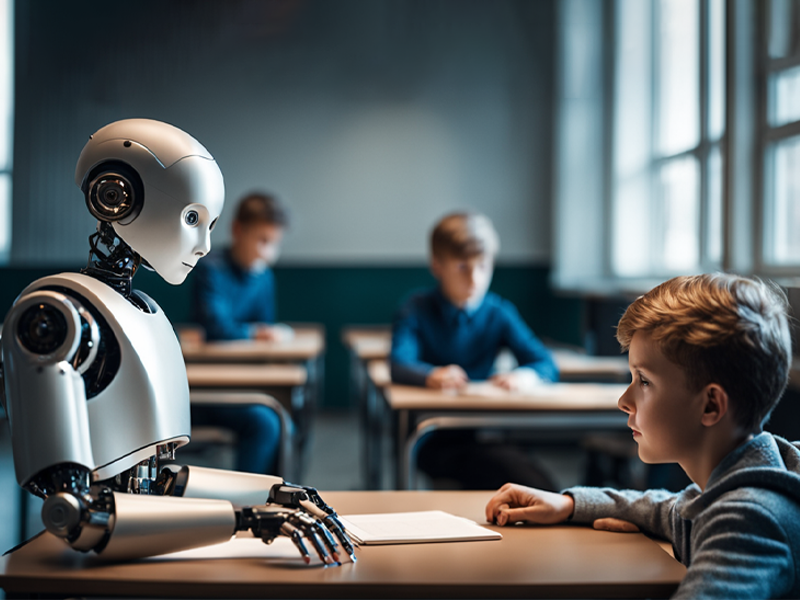
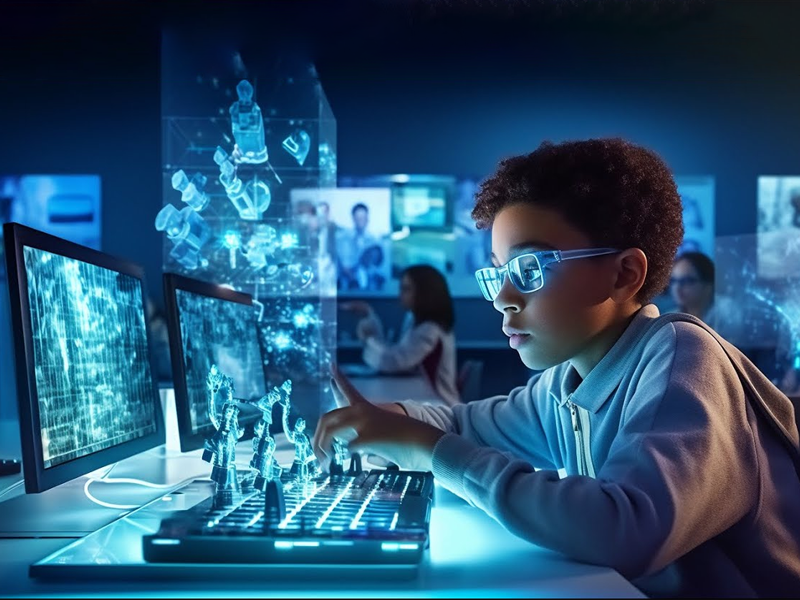
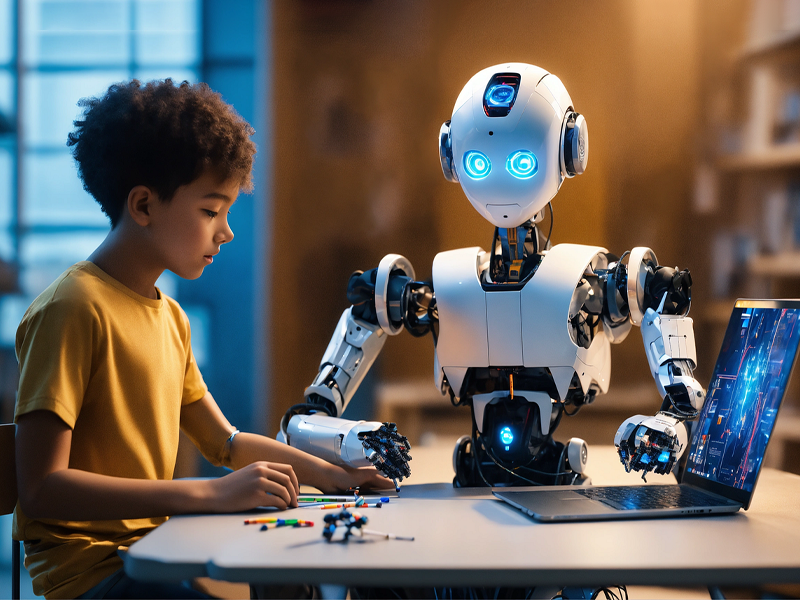
The classroom of 2030 will require more than updated technology or digital tools—it will require entirely new approaches to learning. Future classrooms must support collaboration, creativity, problem-solving, and personalized experiences that recognize different learning styles and student needs. Artificial intelligence, immersive technologies, flexible learning environments, and real-world project experiences are already changing expectations around education. Instead of relying entirely on traditional lectures and standardized instruction, classrooms will increasingly focus on interaction, adaptability, and skill development. Preparing students for future careers and challenges means designing learning environments that encourage curiosity, innovation, and independent thinking while balancing technology with meaningful human connection and mentorship.